Posted on 10/7/2026
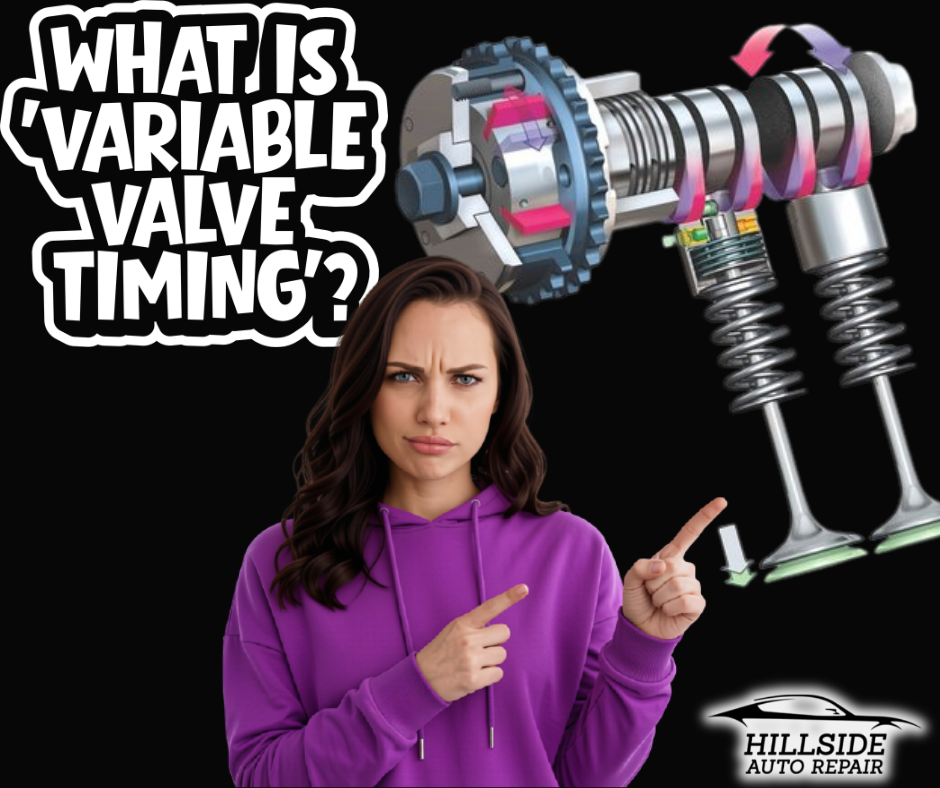
The Hidden Puppeteer: How Variable Valve Timing and Oil Pressure Shape Your Engine's PersonalityThe Symphony Under Your Hood Every time you press the accelerator in your vehicle, you are conducting an orchestra of mechanical precision that most drivers never stop to appreciate. Among the most fascinating innovations in modern engine design is Variable Valve Timing, a technology that has quietly revolutionized how engines breathe, perform, and consume fuel. Here at Hillside Auto Repair in O'Fallon, Missouri, we have watched this technology evolve from a exotic novelty to an essential component in nearly every new vehicle that rolls through our shop doors. Understanding Variable Valve Timing is not just for gearheads and engineers. It matters to anyone who wants to understand why their engine feels sluggish some days and spirited on others, and why maintaining proper oil pressure is absolutely critical to keeping that personality intact ... read more
Posted on 10/7/2026
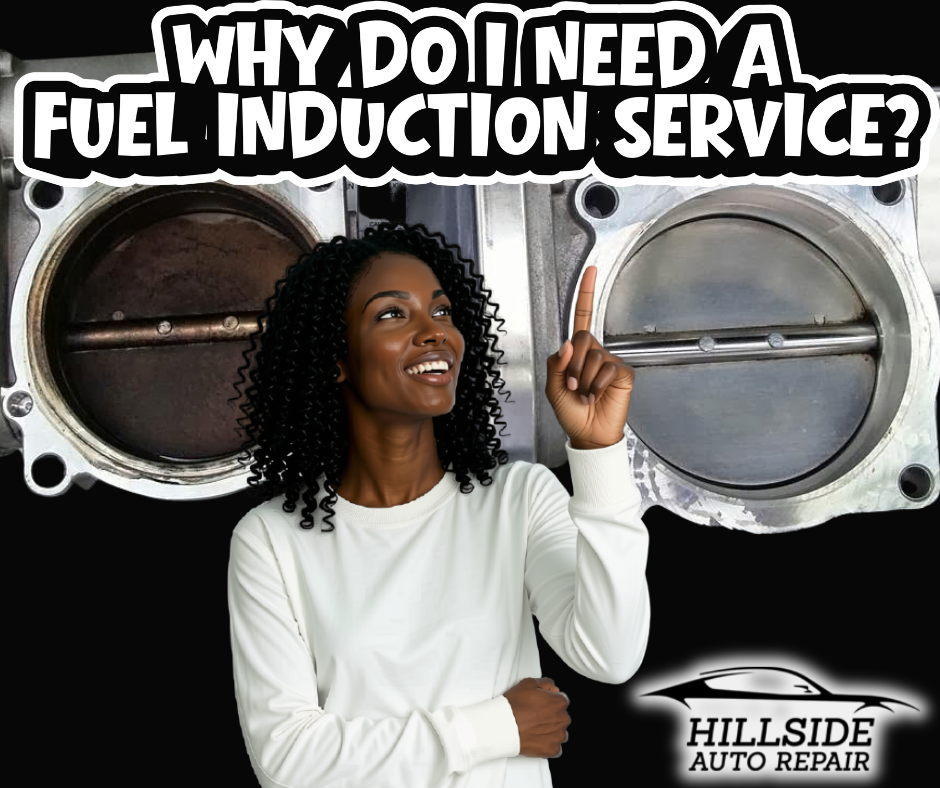
If you have spent any amount of time in a service advisor's office, you have probably heard the phrase "fuel induction service" thrown around like it is the cure for everything from rough idling to world hunger. And if you are like most drivers in O'Fallon, Missouri, your first instinct is to raise an eyebrow and wonder if this is just another creative way for a shop to separate you from your hard earned money. We get it. We have heard the horror stories about upsells and unnecessary add ons, and honestly, some of those stories are true. But here is the thing. Not every maintenance recommendation is a scam, and the fuel induction service happens to be one of the most misunderstood yet legitimately useful procedures in modern automotive care. The real question is not whether the service exists, but whether your specific vehicle actually needs it. That depends on how you drive, where you drive, and what is happening under your hood right now. What Exactly Is a ... read more
Posted on 9/22/2026
The Question Every Driver Eventually Asks It happens to the best of us. You are in the garage on a Saturday afternoon here in O'Fallon, Missouri. The dipstick reads a little low. You have a quart of synthetic oil sitting on the shelf and a quart of conventional oil left over from your last project. You pause. Can you mix these two? Will the engine seize? Will it explode? Will the oil gods strike you down for committing an act of lubrication heresy? The short answer is no, your engine will not detonate. The longer answer is that mixing synthetic and conventional oil is a lot like putting premium fuel in a car that takes regular. It will run. It just is not the smart play. The Chemistry of Base Stocks, Explained Simply Every drop of motor oil on the shelf is built from two things: base stock and an additive package. Conventional oil starts with crude that has been refined and refined again until it meets a baseline standard. Synthetic oil starts wit ... read more
Posted on 9/16/2026
The Heart-Stopping Moment Every O'Fallon Driver Knows Too Well You are cruising down Highway K, enjoying that smooth ride through O'Fallon, Missouri, when you approach a red light at the intersection of Mexico Road. You ease off the gas, press the brake, and suddenly your car shudders and the engine just quits. The dashboard lights up like a Christmas tree, and you are sitting there in silence while other drivers honk behind you. If this scenario sounds painfully familiar, you are not alone. Stalling at stops is one of the most frustrating and potentially dangerous car problems a driver can face, and it is something we here at Hillside Auto Repair see on a regular basis. The good news is that this issue almost always has a diagnosable and fixable cause. The bad news is that ignoring it will only make things worse, and it could leave you stranded in some pretty inconvenient places around town. Why Does My Engine Die at Stop Signs and Red Lights ... read more
Posted on 9/15/2026
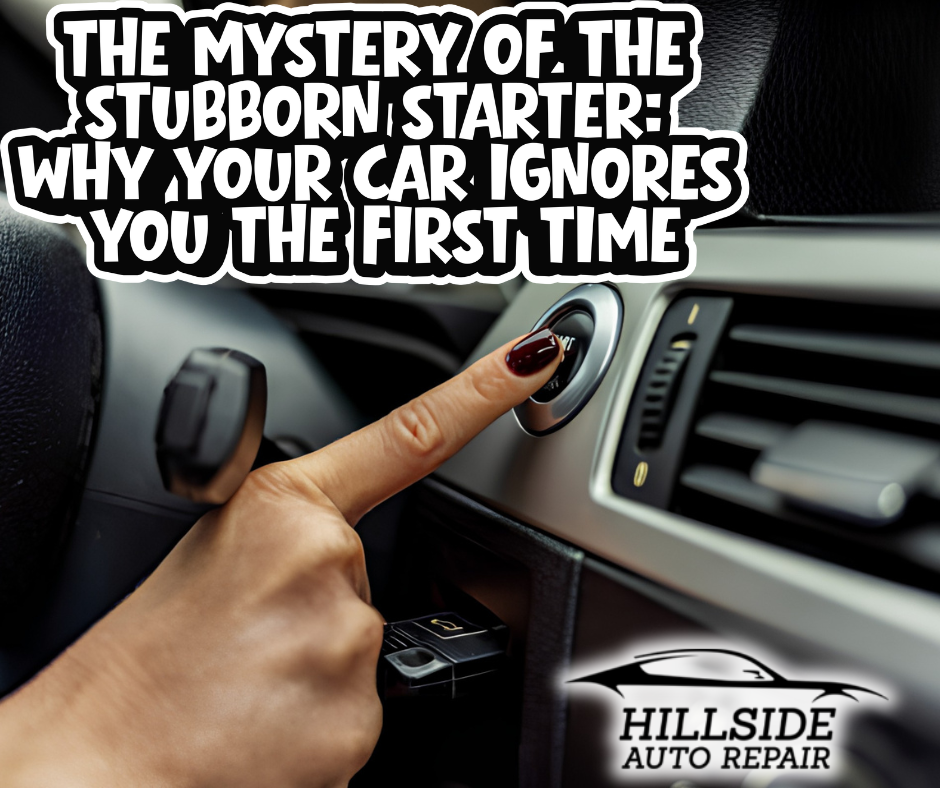
The Two-Try Tango We have all experienced it. You slide into the driver's seat, turn the key, and the engine cranks and cranks but refuses to fire. You pause, mutter a small prayer, try again, and suddenly the engine roars to life as if nothing ever happened. It is a frustrating quirk that leaves many drivers in O'Fallon wondering if they are doing something wrong. The good news is that you are likely not the problem. The bad news is that your car is trying to tell you something. This specific symptom, where the first crank fails but the second crank succeeds, is a classic automotive clue. It points to a specific set of issues, most commonly related to how your vehicle manages fuel pressure. The Pressure Bleed Theory The most common culprit for this behavior is a loss of fuel pressure while the car sits. Your fuel system is designed to stay pressurized even when the engine is off. This ensures that when you turn the key, fuel is immediately re ... read more