Fuel Delivery Has Come a Long Way
Modern engines are remarkably sophisticated, but their basic mission remains simple: mix air and fuel efficiently, create power, and keep emissions in check. How fuel enters the engine has changed dramatically over the years, though. From carburetors to throttle-body injection, multi-port fuel injection, direct injection, and dual-injection systems, manufacturers continue searching for the ideal balance of performance, efficiency, reliability, and everyday drivability.
What Port Injection Actually Does
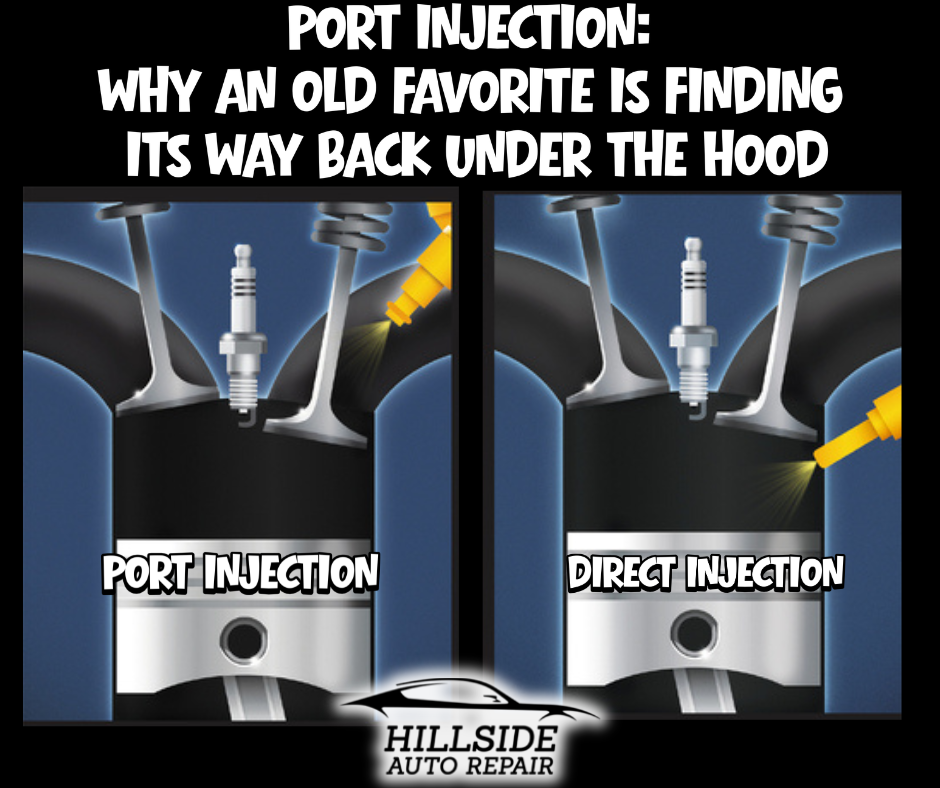
Port injection, often called multi-port fuel injection, places an injector near each engine cylinder’s intake port. The injector sprays fuel into the incoming air before that mixture reaches the combustion chamber. This allows fuel to mix thoroughly with air and can provide smooth idling, responsive acceleration, and dependable operation. It may not sound glamorous, but a well-functioning port-injection system quietly performs one of the most important jobs under your hood.
The Direct Injection Difference
Direct injection takes a different route. Instead of spraying fuel into the intake port, it injects fuel directly into the combustion chamber at very high pressure. This can improve fuel economy and power by allowing more precise control of the combustion process. Many modern vehicles use gasoline direct injection, or GDI, for those benefits. However, direct injection can also allow carbon deposits to build on intake valves because fuel no longer washes over them during normal operation.
Why Some Engines Use Both
Some manufacturers are returning to port injection, or pairing it with direct injection, for the best of both worlds. Dual-injection systems can use port injection during certain driving conditions and direct injection when more precise fuel delivery is useful. Port injection can help keep intake valves cleaner, while direct injection can support power and efficiency when the engine is working harder. It is a bit like having both a dependable work truck and a polished weekend ride in the same driveway.
Pros, Cons, and the Real-World Tradeoff
Port injection is generally known for smooth performance, simpler fuel delivery components, and cleaner intake valves. Direct injection can offer impressive efficiency and power, but it can also be more complex and more sensitive to carbon buildup or high-pressure fuel-system problems. Neither system is automatically better for every driver or every vehicle. The right system depends on the engine design, driving habits, maintenance history, and how well the vehicle is cared for over time.
Maintenance Keeps the Fuel Flowing
Fuel injection systems benefit from regular maintenance, including timely oil changes, quality fuel, air-filter replacement, spark-plug service, and professional inspections. Depending on the vehicle, injector cleaning or fuel-system service may be recommended when performance concerns or manufacturer service intervals call for it. Direct-injection engines may also need intake-valve cleaning to address carbon deposits. We evaluate what your specific vehicle needs instead of throwing a bottle of mystery fluid at the problem and hoping for mechanical poetry.
Watch for These Warning Signs
Rough idling, hesitation during acceleration, reduced fuel economy, misfires, hard starting, a fuel smell, or a check-engine light can all point to fuel-delivery trouble. These symptoms can stem from dirty or failing injectors, ignition issues, vacuum leaks, sensor concerns, fuel-pressure problems, or carbon buildup. Because several issues can produce similar symptoms, accurate diagnostics are essential. Catching a concern early can help protect your engine, restore performance, and prevent a smaller repair from becoming a much bigger one.
Trusted Care for O’Fallon Drivers
At Hillside Auto Repair, we have been the professionals O’Fallon drivers can trust since 1985. We offer comprehensive auto repair services, and our technicians are equipped to handle everything from minor fixes to major overhauls. We use the same tools and equipment that the dealership does, while also providing maintenance and repair for multiple vehicle systems. Whether your vehicle has port injection, direct injection, or a dual-injection setup, we have the expertise to diagnose the issue and explain your options clearly.
Repairs Backed by Confidence
A trusted mechanic shop matters because your vehicle deserves more than a guess. We focus on accurate diagnostics, practical recommendations, and quality repairs that help you make informed decisions. Every service we provide is backed by a 3-year/36,000-mile warranty, giving O’Fallon, Missouri drivers added confidence long after they leave our shop. Bring your vehicle to Hillside Auto Repair, where modern tools meet experienced hands and fuel injection trouble does not get to have the last word.