The Small Sensor With a Big Job
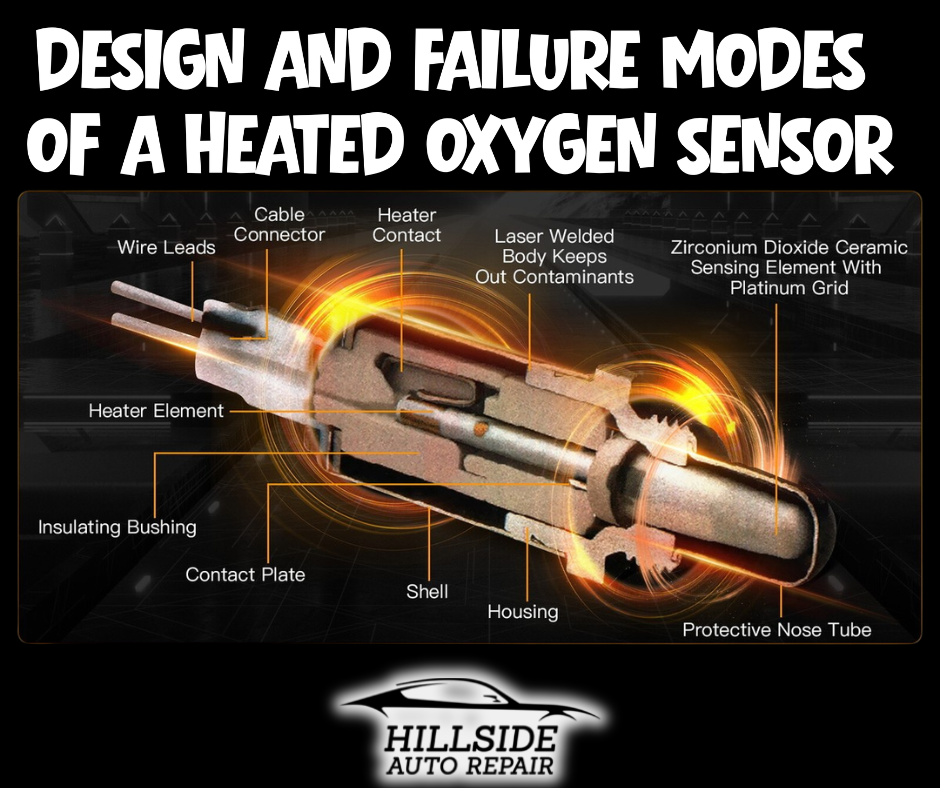
We know that some of the most important components on a vehicle are also some of the smallest. A heated oxygen sensor, often called an O2 sensor, monitors the oxygen level in a vehicle’s exhaust stream. That information helps the engine computer fine-tune the air and fuel mixture, supporting performance, fuel economy, and emissions control. When the sensor is working properly, your engine has the data it needs to run cleanly and efficiently through O’Fallon traffic, highway commutes, and changing Missouri weather.
Why the Sensor Is Heated
Older oxygen sensors depended mainly on hot exhaust gases to reach operating temperature. A heated oxygen sensor includes an internal heating element that brings the sensor up to temperature much faster, even shortly after a cold start. This allows the engine computer to enter closed-loop operation sooner and make more accurate fuel-mixture adjustments. In everyday terms, the heated design helps your vehicle run better sooner after you turn the key, particularly on chilly O’Fallon mornings.
How It Communicates With Your Engine
The oxygen sensor is positioned in the exhaust system, commonly before and after the catalytic converter. Upstream sensors help manage the air-fuel ratio, while downstream sensors help monitor catalytic converter performance. The sensor sends a voltage signal to the engine computer based on the oxygen content it detects in the exhaust. The computer then responds by increasing or decreasing fuel delivery. It is a fast, continuous conversation between the exhaust system and the engine computer, and both sides need to be heard clearly.
Common Heated Oxygen Sensor Failure Modes
Like any electronic and exhaust-related component, a heated oxygen sensor can fail in several ways. Contamination from oil, coolant, fuel additives, or excessive carbon can coat the sensing element and make its readings unreliable. The internal heater can burn out, preventing the sensor from warming up quickly enough. Wiring can become damaged by heat, vibration, corrosion, or contact with road debris. A sensor may also become slow to respond as it ages, which can make the engine computer overcorrect the fuel mixture. These issues often trigger a check-engine light, but the warning light alone does not identify the real cause.
Signs It Is Time for Professional Diagnosis
A failing O2 sensor may contribute to rough idle, hesitation, poor fuel economy, increased emissions, hard starting, or a noticeable loss of power. In some cases, the vehicle may seem to run normally while quietly using more fuel than it should. It is tempting to replace the sensor immediately after seeing a related trouble code, but that can be an expensive guess. Exhaust leaks, vacuum leaks, fuel-delivery problems, ignition issues, and catalytic converter concerns can all create sensor-related codes. We diagnose the full system so the repair addresses the problem, not just the symptom.
Why O’Fallon Drivers Need a Shop They Can Trust
At Hillside Auto Repair, The Professionals You Can Trust in O’Fallon since 1985, we bring experience and a practical, customer-focused approach to every diagnosis. We offer comprehensive auto repair services, and our technicians are equipped to handle a wide range of repairs, from minor fixes to major overhauls. We use the same tools and equipment that the dealership does, allowing us to accurately inspect today’s sophisticated engine-management and emissions systems without sending you on an unnecessary trip across town.
More Than a Check-Engine-Light Fix
A heated oxygen sensor issue can be part of a larger maintenance picture, which is why we also offer multiple other system maintenance services. From engine and exhaust inspections to fluid services, brake care, cooling-system maintenance, and more, we help keep the systems around your O2 sensor working together as intended. Preventive service is often the best way to avoid surprise repairs, improve reliability, and protect the value of your vehicle.
Confidence That Travels With You
We stand behind our work with a 3-year/36,000-mile warranty for all services we provide. That means O’Fallon drivers can move forward with more confidence after service, whether they are headed to work, taking the family to St. Louis, or planning a longer road trip. Your vehicle deserves accurate diagnostics, quality repairs, and a team that explains what is happening in clear terms.
A healthy heated oxygen sensor helps your engine breathe easier, and we think your wallet should too.