Posted on 9/14/2026
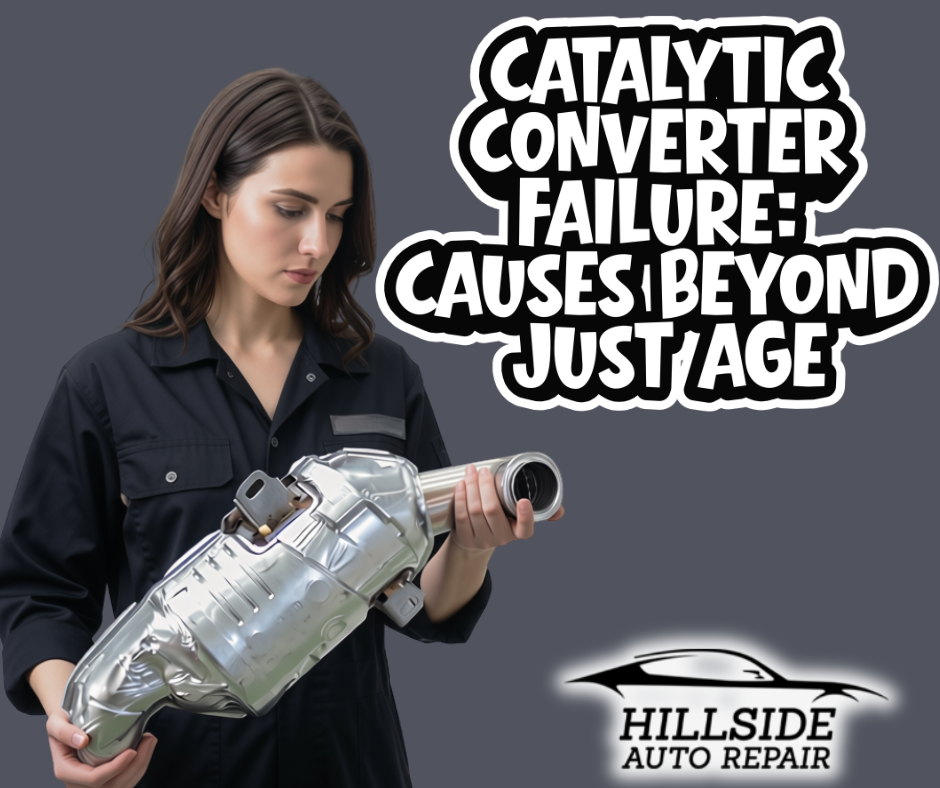
Your Catalytic Converter Has a Tough Job Your catalytic converter may not be the most glamorous component under your vehicle, but it plays a critical role in keeping your emissions under control. Located within the exhaust system, the catalytic converter helps transform harmful gases produced during combustion into less harmful emissions before they leave your tailpipe. When it is working properly, you probably never think about it. When it starts to fail, however, your vehicle has a way of making its presence known. Here in O’Fallon, Missouri, we see vehicles dealing with all kinds of exhaust and emissions problems. From daily commuters navigating Highway K and I-70 to family SUVs hauling kids around St. Charles County, vehicles experience plenty of stop-and-go driving, short trips, seasonal temperature changes, and demanding conditions. While age can certainly contribute to catalytic converter failure, it is far from the only reason these components fail ... read more
Posted on 9/9/2026
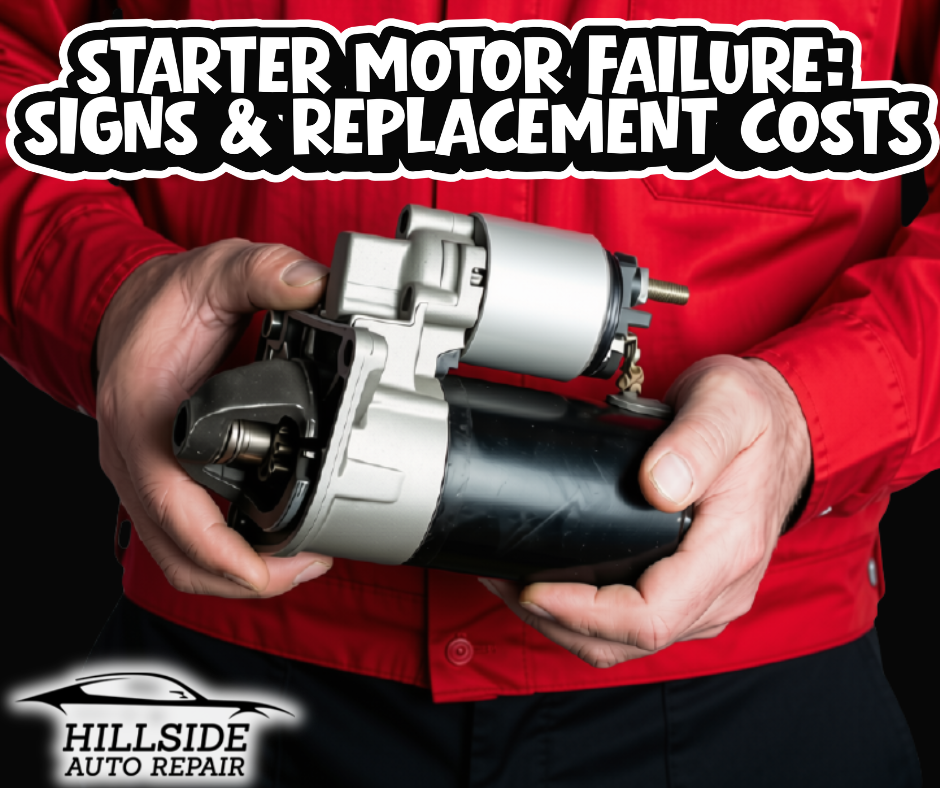
The Silent Killer of Your Morning Routine Few things ruin a perfect O'Fallon morning quite like turning the key and hearing nothing but a single, lazy click. You have places to be, whether it is a commute to St. Charles or getting the kids to school, but your vehicle has other plans. Often, the culprit is a failing starter motor, a component that most drivers never think about until it leaves them stranded. We see this scenario daily at Hillside Auto Repair, and we understand the frustration it brings. The starter is the heart of your ignition process, and when it begins to fail, it does not always happen suddenly. It often sends subtle warning signals that, if you know what to listen for, can save you from a costly tow and an even more costly headache. The Telltale Whine and the Grinding Complaint The first sign of trouble is often auditory. When you turn the ignition, a healthy starter engages with a smooth, consistent whir. If you start hearing ... read more
Posted on 9/8/2026
The Allure of the Discount Bin We have all seen the listings online. A brake kit for a Honda Civic at a price that seems almost too good to be true. It is tempting to click "buy" and save a few bucks before heading to the repair shop. We understand the instinct to save money; after all, car repairs are rarely a line item anyone looks forward to. However, while we appreciate a savvy customer, the reality of bringing your own parts to a professional shop is rarely a walk in the park. It often creates a web of complications that can end up costing you far more than the initial savings. The Fitment Fiasco One of the most common pitfalls is the parts simply being wrong for the vehicle. Online listings can be vague or misleading. A part might be listed for a Honda Civic but actually fits an HRV, or the listing fails to account for mid year production changes that differentiate one model from another. A vehicle's Vehicle Identification Number t ... read more
Posted on 9/2/2026
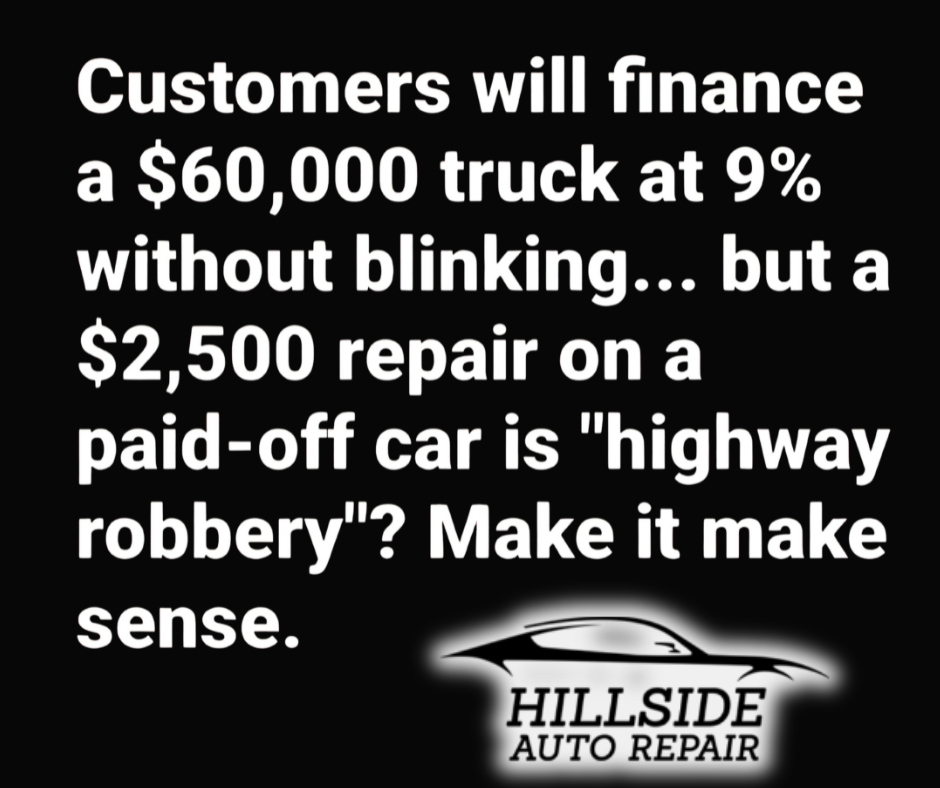
The Repair Conversation That Gets People Talking We have all seen the sentiment behind the photo: someone can sign paperwork for a $60,000 truck, finance it at 9% interest, and drive away without blinking, but when a paid-off vehicle needs a $2,500 repair, suddenly the repair shop is accused of robbery. It is a funny comparison because it exposes a very real disconnect in the way many people think about vehicle ownership. The truth is that owning a vehicle outright does not make it free to operate. Cars and trucks still have brakes, suspension components, steering systems, cooling systems, electrical components, drivetrains, tires, fluids, sensors and dozens of other systems that wear out or require maintenance. At Hillside Auto Repair, we believe understanding that reality is one of the most important parts of being a responsible vehicle owner in O'Fallon, Missouri. Paid Off Does Not Mean Maintenance Free There is something psychologically satisf ... read more
Posted on 9/1/2026
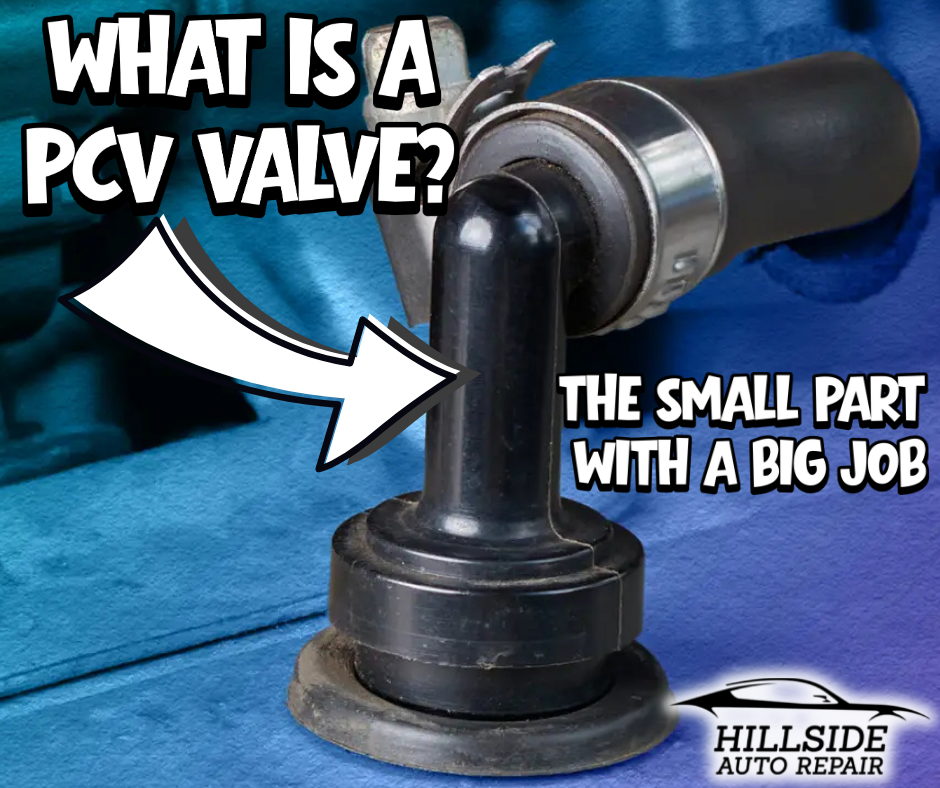
Your vehicle’s PCV valve may be small, but it plays a major role in keeping your engine healthy. PCV stands for Positive Crankcase Ventilation, and this valve helps manage the gases that build up inside the engine’s crankcase during normal combustion. Rather than letting those gases linger and create pressure, the PCV system routes them back into the intake system so they can be burned again. It is a smart, practical system that helps your engine run cleaner and more efficiently. Why Your Engine Needs Proper Ventilation Every running engine experiences a small amount of combustion gas slipping past the piston rings. Without a way to vent those gases, pressure can build inside the engine and potentially force oil past seals and gaskets. The PCV valve regulates this flow, helping protect against oil leaks, sludge buildup, and excessive crankcase pressure. Think of it as your engine’s pressure-relief manager, working quietly in the background while you ... read more