Posted on 7/29/2026
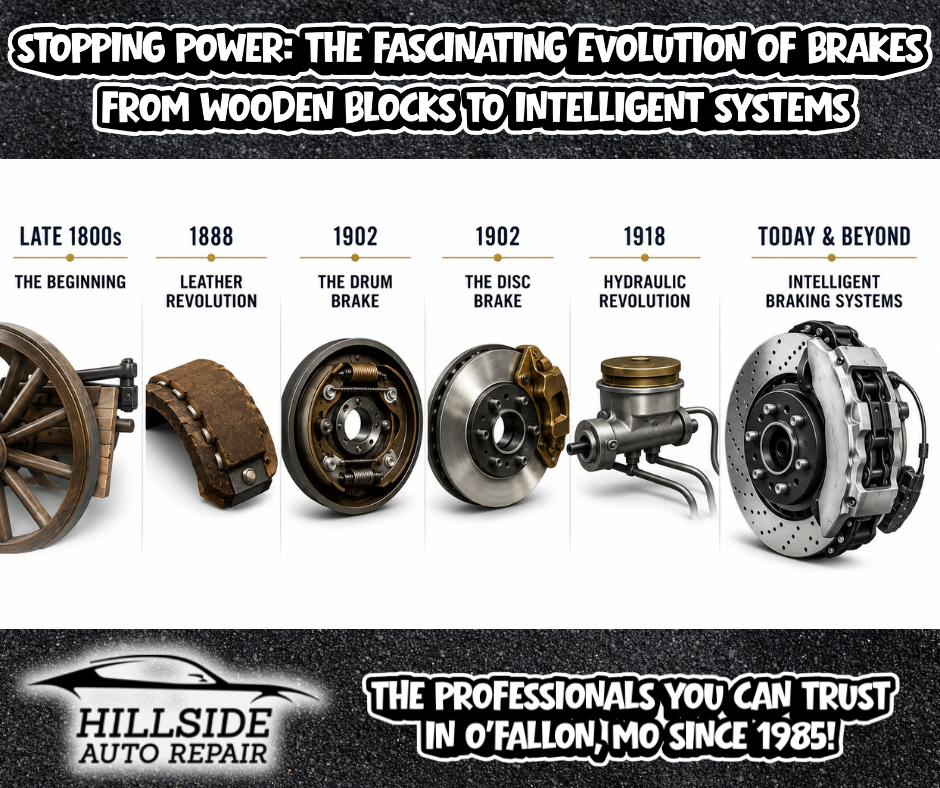
Here in O'Fallon, Missouri, we know a thing or two about the importance of reliable transportation. Whether you are cruising down Highway K or navigating the bustling streets near the Civic Park, having a vehicle you can trust is non-negotiable. At the heart of that trust is your braking system. We often take for granted the simple act of pressing our foot down and watching our vehicle come to a smooth, safe stop. But the technology that makes this possible is the result of over a century of innovation, trial, error, and genius. At Hillside Auto Repair, we believe that understanding this history gives you a deeper appreciation for the complex machine you drive every day. The Roots of Brakes The very first "brakes" on motorized vehicles were incredibly rudimentary, borrowed directly from the horse-drawn carriage era. When the first automobiles hit the roads in the late 1800s, stopping required a hand lever that pressed a simple block of wood against the r ... read more
Posted on 7/28/2026
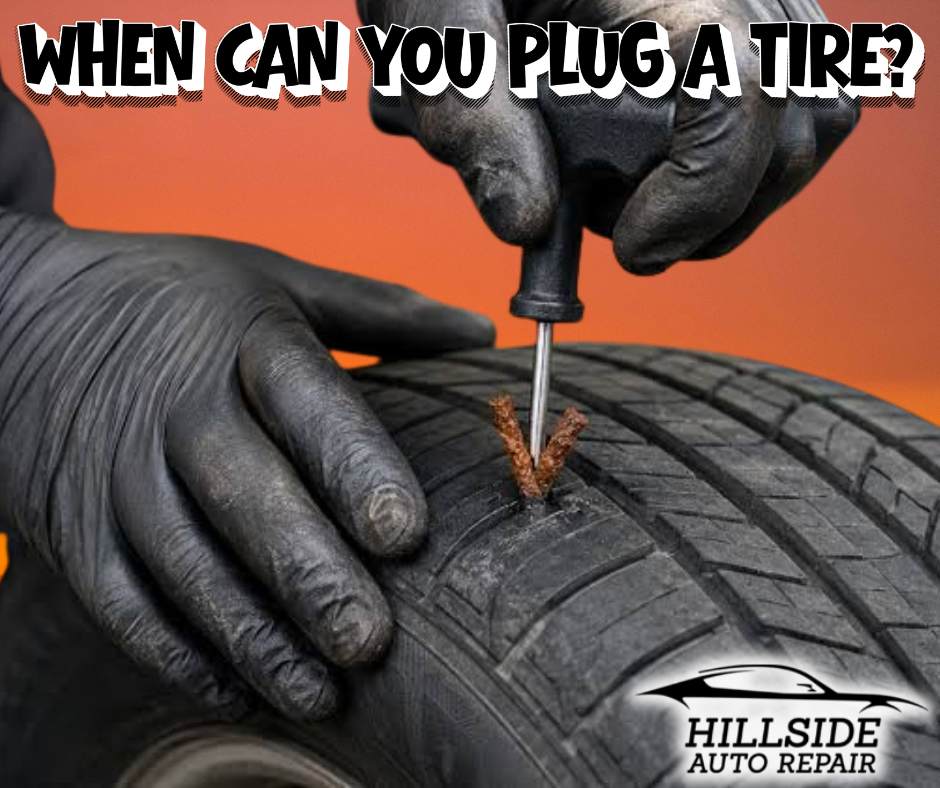
We have all been there. You are cruising down Highway K or navigating the parking lot at the Mid Rivers Mall, and you hear that dreaded thumping sound. A quick visual inspection reveals a nail or screw lodged in your tire. The immediate thought for many drivers is to grab a tire plug kit from the auto parts store and fix it themselves. However, as the team at Hillside Auto Repair, we want to clarify that while a tire plug can be a temporary lifesaver, it is not a one-size-fits-all solution. Understanding the strict limitations of tire repairs is critical to ensuring your safety and the safety of your family on the road. When can you plug a tire? The industry standard, backed by the Rubber Manufacturers Association, provides very specific guidelines. A tire can be repaired with a plug (or, more ideally, a combination patch/plug) if the puncture is located in the tread area, which is the thickest part of the tire. Specifically, the puncture must be within the top two in ... read more
Posted on 7/27/2026
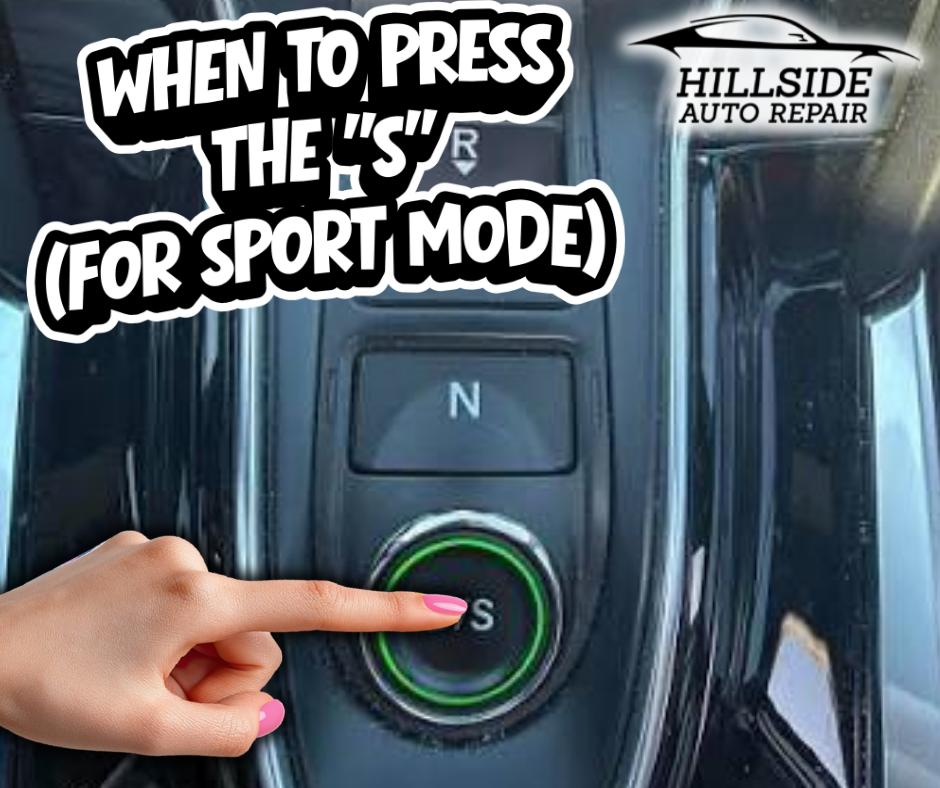
What is Sport Mode for, and when should you press the "S"? It sits there, staring at you from the center console. A simple button, a toggle, or a gate on your shifter labeled with a single, menacing letter: S. For many drivers in O'Fallon, Missouri, that little "S" is a source of mystery. Is it a secret nitrous button? A ticket to a speeding fine? A setting reserved only for race car drivers? The truth is, while we always advocate for safe driving on our local roads, that Sport Mode button is a fantastic tool for a specific type of driving, and understanding it can transform your daily commute from a mundane task into something a little more engaging. We at Hillside Auto Repair believe in driving with confidence, not just in knowing your car is mechanically sound, but in knowing how to use it. So, let's clear the air and answer the burning question: What is Sport Mode? At its core, Sport Mode ... read more
Posted on 7/22/2026
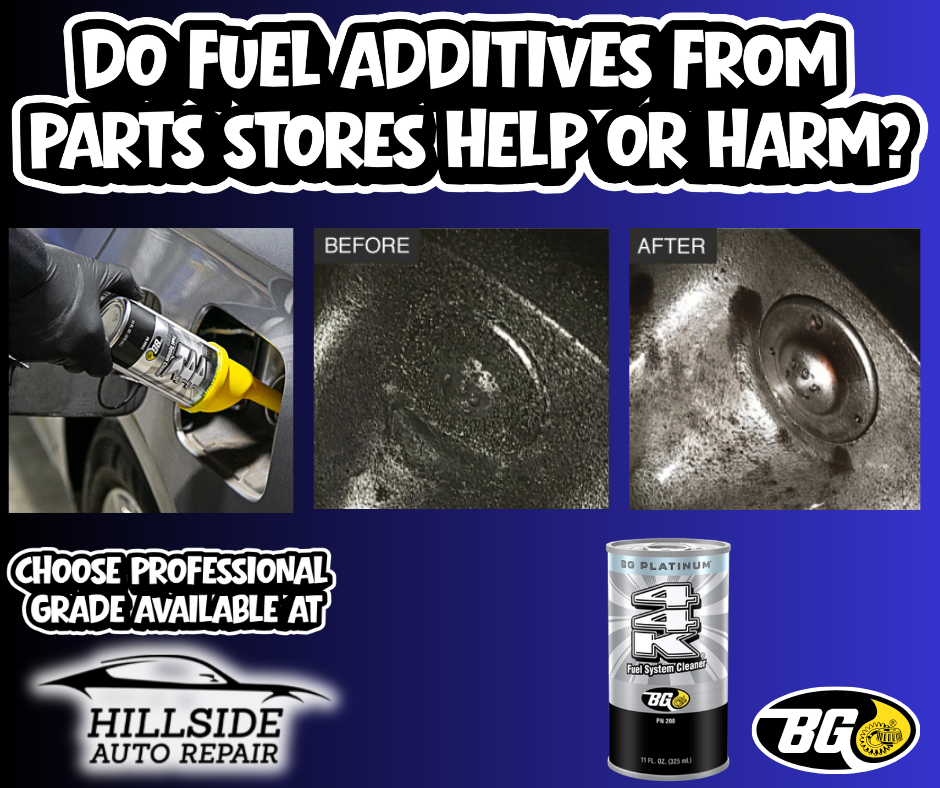
We've see it. A customer comes in with a check engine light, a rough idle, or a noticeable loss of power, and they tell us they have been trying to fix it themselves with over-the-counter fuel additives from the local parts store. It is a tempting solution. The bottles are relatively cheap, and they promise dramatic results like increased horsepower and better fuel economy. But the reality is often much more complicated, and we are here to shed some light on why you should be cautious before pouring that bottle into your gas tank. The shelves of your local auto parts store are lined with a dizzying array of fuel additives, each with bold claims about cleaning fuel injectors, removing water, and restoring lost performance. While some of these products are not necessarily harmful, many are simply not strong enough to address the severe carbon buildup found in modern engines, particularly Gasoline Direct Injection (GDI) engines. The truth is, the fuel we buy at the pump already ... read more
Posted on 7/21/2026
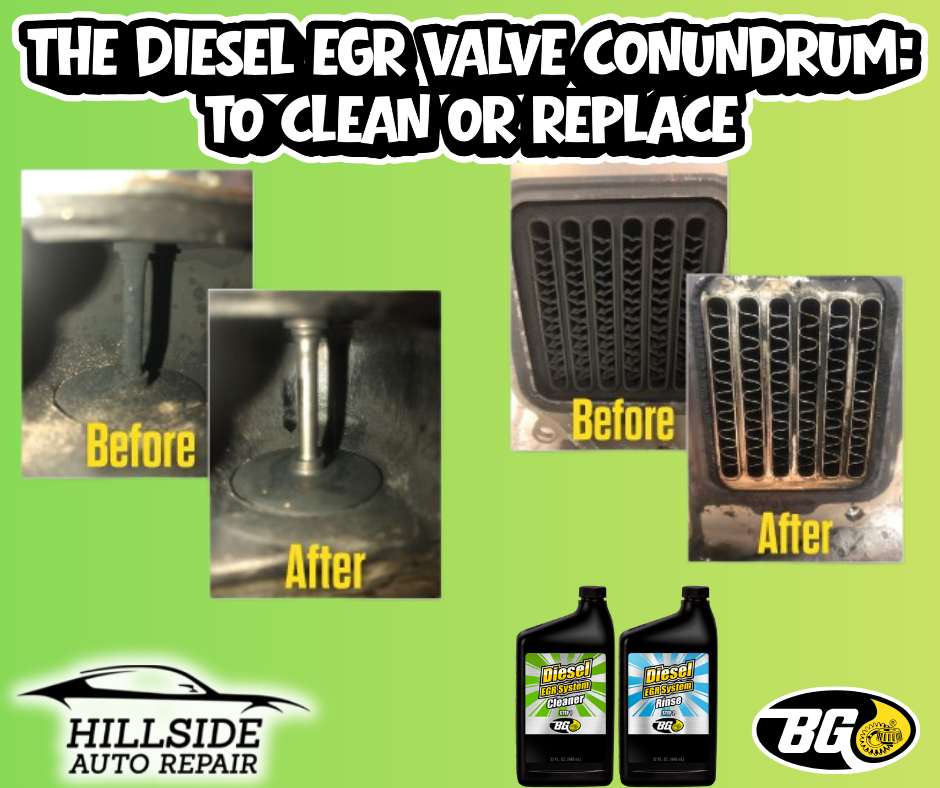
Here in O'Fallon, we know a thing or two about the challenges our local drivers face with modern diesel engines. While these powerplants offer incredible torque and longevity, the emissions equipment attached to them can be a source of constant frustration. At the heart of many diesel driveability complaints lies the Exhaust Gas Recirculation (EGR) system. It is a critical component designed to reduce harmful NOx emissions by recirculating a portion of exhaust gas back into the engine's intake, but this process comes with a nasty side effect: massive carbon buildup. Why do they get dirty? Diesel engine EGR systems operate under extreme conditions and can quickly become clogged with carbon deposits that affect the fuel economy and performance of a vehicle. If you have noticed a sudden drop in fuel efficiency or your diesel seems to have lost its usual get-up-and-go, these deposits are likely the culprit. We see it all the time. Carbon deposits can cause the EGR ... read more