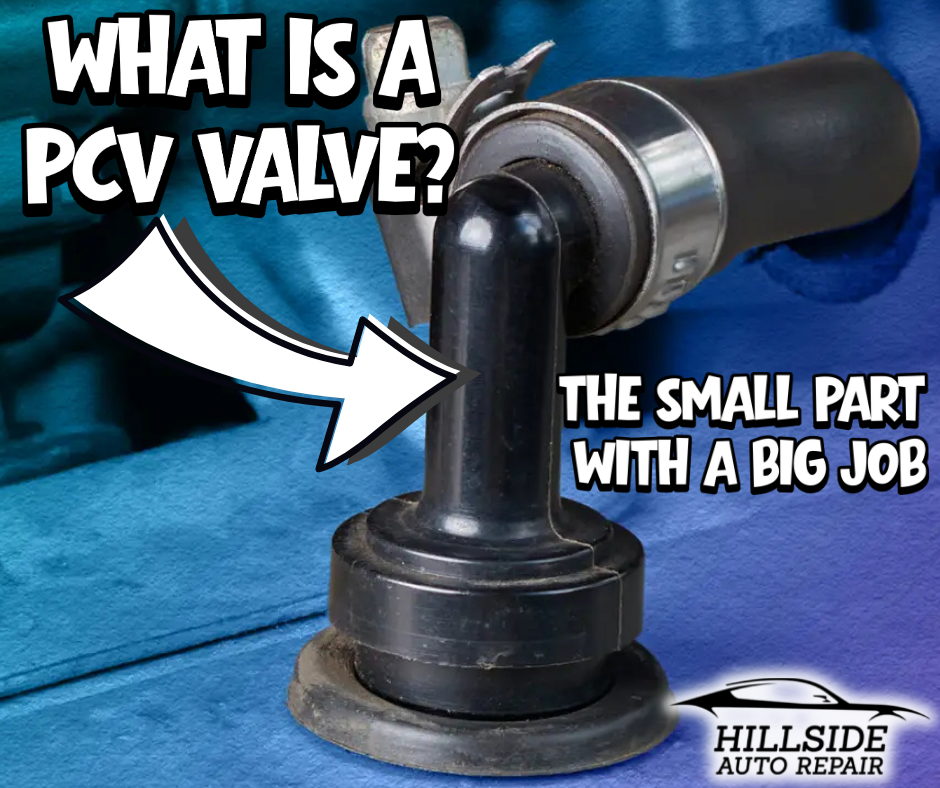
Your vehicle’s PCV valve may be small, but it plays a major role in keeping your engine healthy. PCV stands for Positive Crankcase Ventilation, and this valve helps manage the gases that build up inside the engine’s crankcase during normal combustion. Rather than letting those gases linger and create pressure, the PCV system routes them back into the intake system so they can be burned again. It is a smart, practical system that helps your engine run cleaner and more efficiently.
Why Your Engine Needs Proper Ventilation
Every running engine experiences a small amount of combustion gas slipping past the piston rings. Without a way to vent those gases, pressure can build inside the engine and potentially force oil past seals and gaskets. The PCV valve regulates this flow, helping protect against oil leaks, sludge buildup, and excessive crankcase pressure. Think of it as your engine’s pressure-relief manager, working quietly in the background while you drive around O’Fallon, Missouri.
The Trouble With a Failing PCV Valve
Like many hard-working vehicle components, a PCV valve can become clogged, stuck, or damaged over time. Oil residue, dirt, and normal engine deposits may keep it from opening or closing correctly. When that happens, your engine may not receive the proper ventilation it needs. A neglected PCV valve can contribute to rough performance and allow a relatively affordable repair to grow into a much more expensive problem.
Warning Signs You Should Not Ignore
Common symptoms of a faulty PCV valve include a rough idle, engine misfires, reduced fuel economy, a check-engine light, unusual whistling sounds, or oil leaks around gaskets and seals. You may also notice increased oil consumption, smoke from the exhaust, or a vehicle that simply does not feel as smooth or responsive as it used to. These symptoms can overlap with other automotive issues, which is why accurate diagnosis matters. Guessing may be fun at trivia night, but it is not a great maintenance strategy.
Why Professional Diagnosis Matters
The PCV system connects to several important engine components, and the root cause of a problem is not always obvious from the driver’s seat. At Hillside Auto Repair, we use the same tools and equipment the dealership does to inspect your vehicle properly. Our technicians can determine whether the PCV valve is the issue, whether there is a vacuum leak, or whether another engine concern is causing similar symptoms. That helps us recommend the repair your vehicle actually needs.
Comprehensive Care for O’Fallon Drivers
At Hillside Auto Repair, we offer comprehensive auto repair services for drivers throughout O’Fallon, Missouri. Our technicians are equipped to handle a wide range of repairs, from minor fixes to major overhauls. We also provide multiple system maintenance services that help keep your engine, brakes, steering, suspension, cooling system, and other vital components working together as they should. Preventive maintenance gives us a chance to catch small issues before they become inconvenient surprises.
Professionals You Can Trust Since 1985
Since 1985, Hillside Auto Repair has worked to earn the trust of our neighbors by delivering professional service and dependable repairs. We understand that your vehicle is essential to your workday, family schedule, errands, and weekend plans. That is why we focus on clear communication, thorough inspections, and quality workmanship. We stand behind all services we provide with a 3-year/36,000-mile warranty, giving you added confidence long after you leave our shop.
Keep the Little Things From Becoming Big Things
A PCV valve may not be the flashiest part under the hood, but its condition can have a real effect on your engine’s performance and longevity. If your vehicle is running rough, using more oil, leaking oil, or showing a check-engine light, let us take a closer look. At Hillside Auto Repair, we are ready to help O’Fallon drivers keep their vehicles running at their best