Posted on 10/27/2026
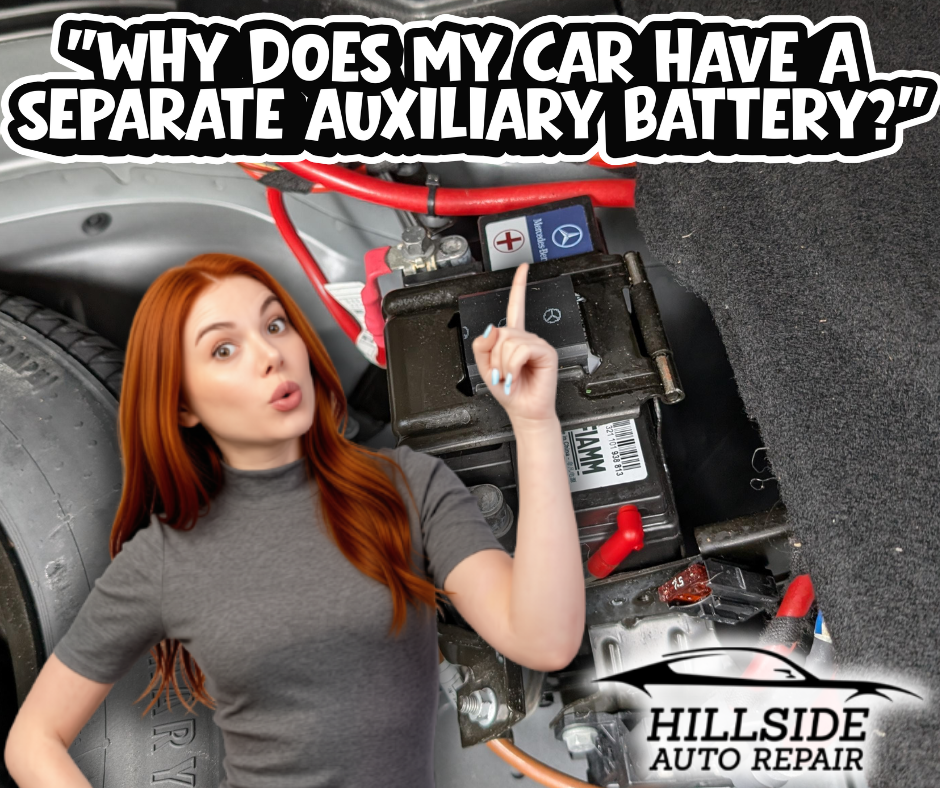
The Hidden Power Source in Your Vehicle If you have popped the hood of a newer vehicle lately, you might have noticed a second, smaller battery tucked away near the main one. This is the auxiliary battery, and it is becoming increasingly common in modern cars. At Hillside Auto Repair, we see many drivers in O'Fallon confused by this setup. You might wonder why your car needs two batteries when one used to do the job just fine. The answer lies in the complex technology packed into today's vehicles. Modern cars are essentially computers on wheels, and they require a stable, consistent flow of electricity to operate correctly. The main battery is responsible for the heavy lifting of starting the engine, but the auxiliary battery acts as a dedicated power source for sensitive electronics. Stable Voltage for Sensitive Systems So, why can't the main battery just power everything? The issue comes down to voltage stability. When you turn the key ... read more
Posted on 10/26/2026
The Perfect Storm of Cold Weather Cranking There is nothing quite like the sound of an engine struggling to turn over on a frigid O'Fallon morning. It is a sound that causes instant anxiety for any driver. You sit there, turn the key, and instead of the confident roar you are used to, you hear a sluggish "rur-rur-rur" that barely gets the job done. This is not just your car being dramatic about the temperature. It is a physics problem involving three distinct factors that all go wrong at the exact same time. When the mercury drops, your vehicle's starting system faces a triple threat: reduced battery power, thickened engine oil, and increased electrical resistance. Understanding why this happens is the first step in preventing a breakdown. The Science of the Cold Cranking Amp Drop The most common culprit behind a slow crank is the battery. A battery's ability to deliver power is measured in Cold Cranking Amps (CCA). What many dri ... read more
Posted on 10/21/2026
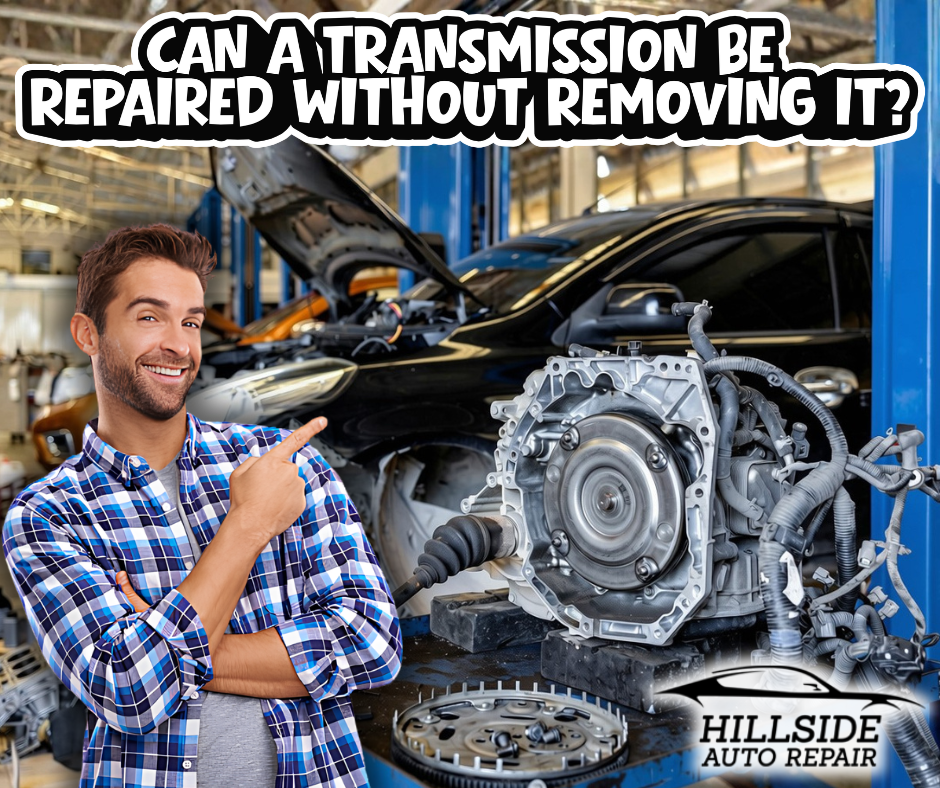
The Short Answer: It Depends on What Is Broken If you are driving through O'Fallon, Missouri, and your transmission starts acting up, the first question on your mind is usually about the bottom line. You want to know if we have to pull the entire unit out to fix it. The honest answer is that it depends entirely on what is broken inside. Some repairs are accessible while the transmission stays right where it is, while others absolutely require a full removal. We want to break down the difference so you understand exactly what is happening with your vehicle and why the cost can vary so much. What We Can Reach Without Removal When you bring your vehicle to our shop, we start by diagnosing the fault. If the issue lies in the valve body, the solenoids, or certain sensors, we can often access these components by dropping the transmission pan. These parts are the "brains" of the operation, controlling fluid pressure and shift timing. Because th ... read more
Posted on 10/20/2026
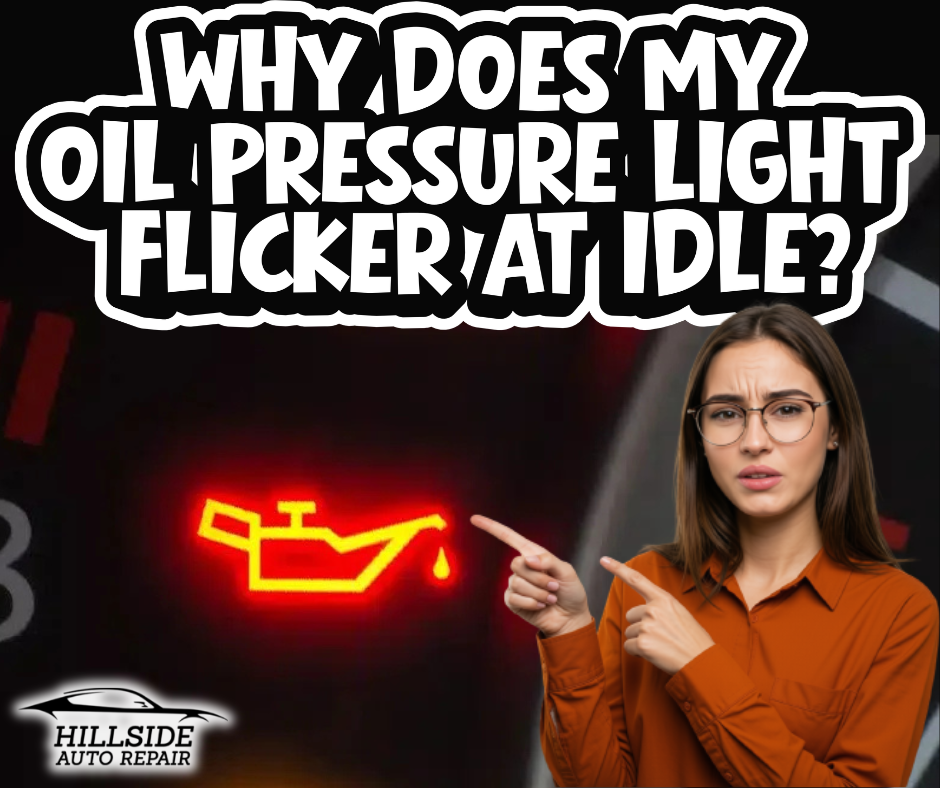
It Is Usually One of Three Things You are sitting at a red light on Highway K, and you notice it. The oil pressure light on your dashboard gives a faint flicker. You rev the engine slightly, and it disappears. You might be tempted to ignore it, but that little flicker is your engine trying to tell you something important. The short answer is that this flicker is typically caused by a failing sending unit, the wrong oil filter, or worn engine bearings. While the first two are relatively simple fixes, the last one is serious business. Ignoring it will not make it go away, and in fact, it could lead to catastrophic engine failure. Understanding Oil Pressure Oil pressure is critical to the life of your engine. The light comes on when pressure drops below a specific threshold, typically 5 to 7 psi. At idle, oil pressure is naturally lower than it is at speed, which is why the flicker happens when you are stopped. If the light flickers only at idle and goes ... read more
Posted on 10/19/2026
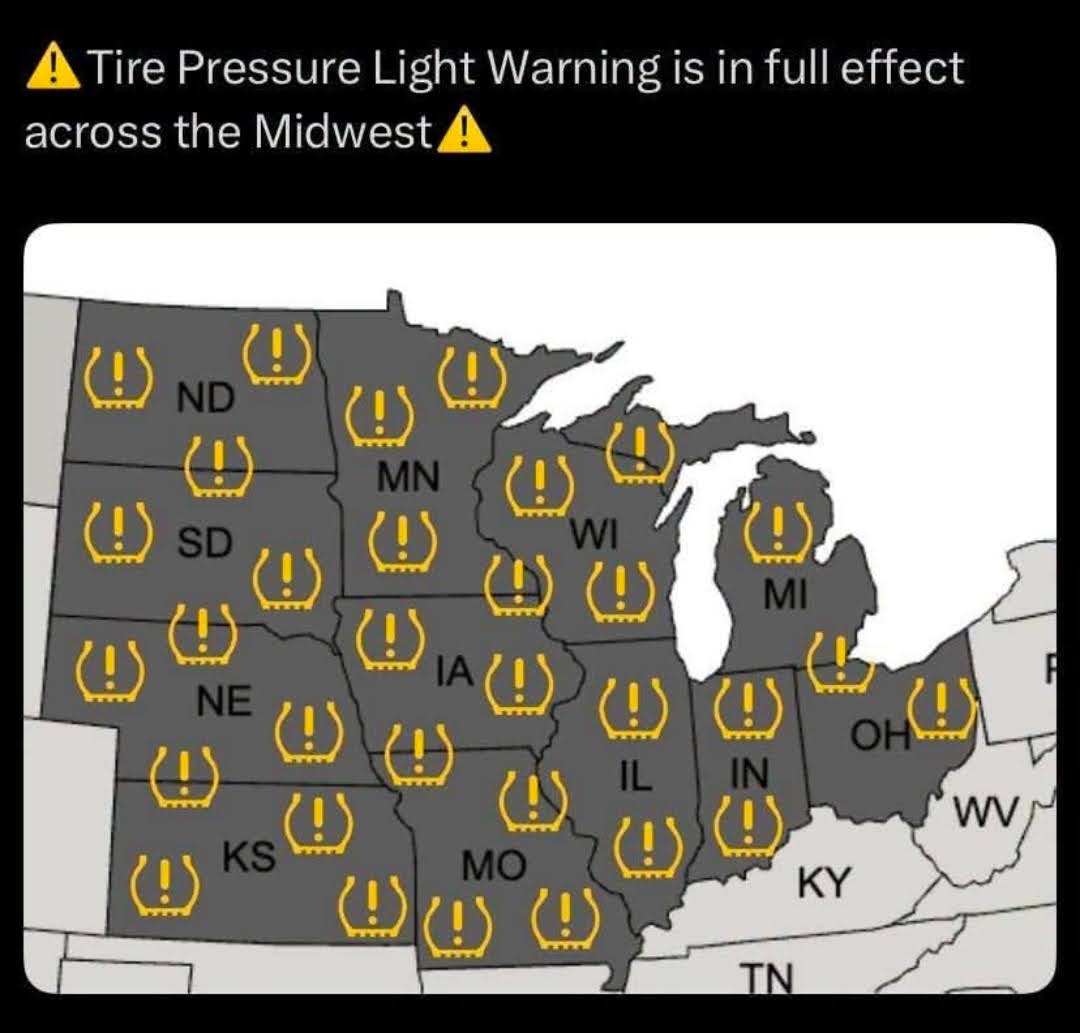
The Great Midwest Tire Pressure Panic If you are driving around O’Fallon, Missouri, this October and suddenly notice your tire pressure warning light glowing on the dashboard, you are not alone. Across the Midwest, the first real taste of autumn weather has a way of turning perfectly ordinary morning commutes into unexpected encounters with that little yellow tire-shaped symbol. One day, the weather is mild enough for a comfortable drive with the windows cracked. The next morning, a cold front rolls through St. Charles County, temperatures drop overnight, and your dashboard lights up like it is trying to tell you something important. The good news? This is a common seasonal occurrence. The important part is understanding why it happens, what your warning light means, and when it is time to have your tires checked by a professional. At Hillside Auto Repair, we have been helping drivers in O’Fallon and the surrounding communities navigate changing seaso ... read more