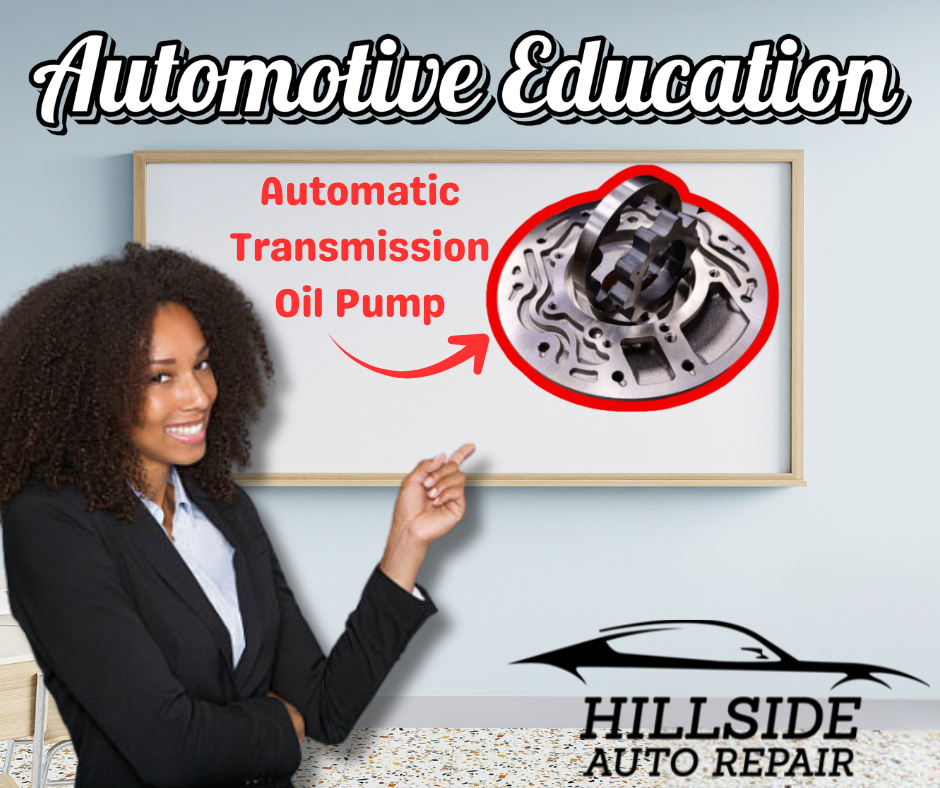
For drivers in O'Fallon, Missouri, the rhythm of the holidays is punctuated by familiar sounds: the crunch of leaves on Fort Zumwalt Park trails, the cheerful bustle of the Streets of St. Charles, and the gentle hum of the engine as you head out for festive visits. But beneath that hum lies a mechanical symphony, and its conductor is a component most drivers never see, the transmission oil pump. This isn't just a pump; it's the beating heart of your automatic transmission and understanding it is key to ensuring your holiday travels are filled with joy, not roadside distress.
What is the Transmission Oil Pump?
In simple terms, the transmission oil pump is the engine of your transmission's hydraulic system. It's typically located inside the transmission case, driven directly by the engine's rotation via the torque converter hub. Its sole purpose is to create the lifeblood, the flow and pressure that the entire transmission depends on.
The Parts That Make It Pump:
While designs vary the core mission is the same. Key components include:
- The Pump Body/Housing: The main structure containing the internal components.
- The Driving Rotor/Gears: Connected to the engine, these are the rotating elements that create suction and displacement.
- The Driven Rotor/Gears: These mesh with the driving elements, working in tandem to move fluid.
- The Inlet Port: Draws in transmission fluid from the pan.
- The Outlet Port: Forces pressurized fluid out into the transmission's valve body and circuit galleries.
The Two Critical Jobs It Performs:
- Lubrication Lifeline: The pump pulls fluid from the pan and sends it coursing through a network of passages to bathe gears, bearings, and clutch plates. This constant oil bath prevents catastrophic metal-on-metal wear and cools components under immense stress.
- Hydraulic Muscle for Shifting: This is its most vital role. The pressurized fluid it generates is the working fluid that actuates the transmission's hydraulic system. It's this pressure that pushes pistons, engages clutch packs, and applies bands, all to execute the smooth, precise gear changes you expect. No pressure, no shift.
Symptoms of a Pump in Peril:
A failing pump is a crisis in the making. Watch for these warning signs:
- Delayed or Slipping Shifts: The most common symptom. The transmission hesitates or revs high before engaging a gear (especially "Drive" or "Reverse").
- Whining or Howling Noises: A constant, pitchy noise that changes with engine speed, indicating pump cavitation or starvation.
- Transmission Overheating: Inadequate fluid flow leads to friction and excessive heat.
- Complete Loss of Drive: The most severe symptom. With no pressure, the transmission cannot engage any gear.
Why This Demands a Hillside Auto Repair Professional
This is not a component for guesswork or generic repair. Diagnosing a pump issue requires distinguishing its symptoms from those of a clogged filter, faulty pressure sensor, or worn valve body. It requires specific knowledge and, most critically, specialized tools.
At Hillside Auto Repair, we treat your transmission with the precision it demands. Our technicians are equipped with the same advanced diagnostic scan tools and pressure gauges that dealerships use. This allows us to perform accurate hydraulic pressure tests, the definitive diagnostic for pump health and pinpoint the exact fault.
Whether it's a minor fix or a major overhaul, our comprehensive auto repair services mean we see the whole picture. We don't just address the symptom; we find the root cause. And because we believe in our work as much as you believe in getting to your holiday dinner on time, every service we perform is backed by our strong 3-year/36,000-mile warranty.
So, as you prepare your vehicle for trips to see Santa's Magic Kingdom lights or navigate the holiday traffic, remember the tiny powerhouse working under your hood. Entrust it to the professionals who have the tools, the training, and the warranty to ensure its rhythm never skips a beat.
After all, your transmission pump works hard so you can focus on the holiday cheer, not the gear.